
Dental techniques and tools are constantly developing, with the GentleWave Ultracleaning Procedure being one of the relatively new methods of root canal therapy. In this article, we discuss how the GentleWave Ultracleaning Procedure works and compare it to traditional root canal treatment methods.
How Does the GentleWave Ultracleaning Procedure Work?
The GentleWave Ultracleaning Procedure is an alternative to traditional root canal therapy. The GentleWave procedure utilizes Multisonic Ultracleaning® technology, which can clean the most complicated root canal systems. While conventional root canals rely on manual files and rotary instruments to clean, GentleWave uses disinfecting fluids and broad-spectrum acoustic energy to remove bacteria, debris, and infected tissue.
The main advantages of the GentleWave Ultracleaning Procedure include the following:
- In some cases, it might be more effective than traditional tools, allowing for the treatment of hard-to-reach canals
- Requires a smaller access hole in the tooth
- Allows for the preservation of more of the tooth’s structure
- Patients typically report experiencing less tooth sensitivity and pain during recovery compared to traditional root canal therapy
- Shows a high success rate and fewer risks of reinfection of the tooth
What Happens During a GentleWave Ultracleaning Procedure
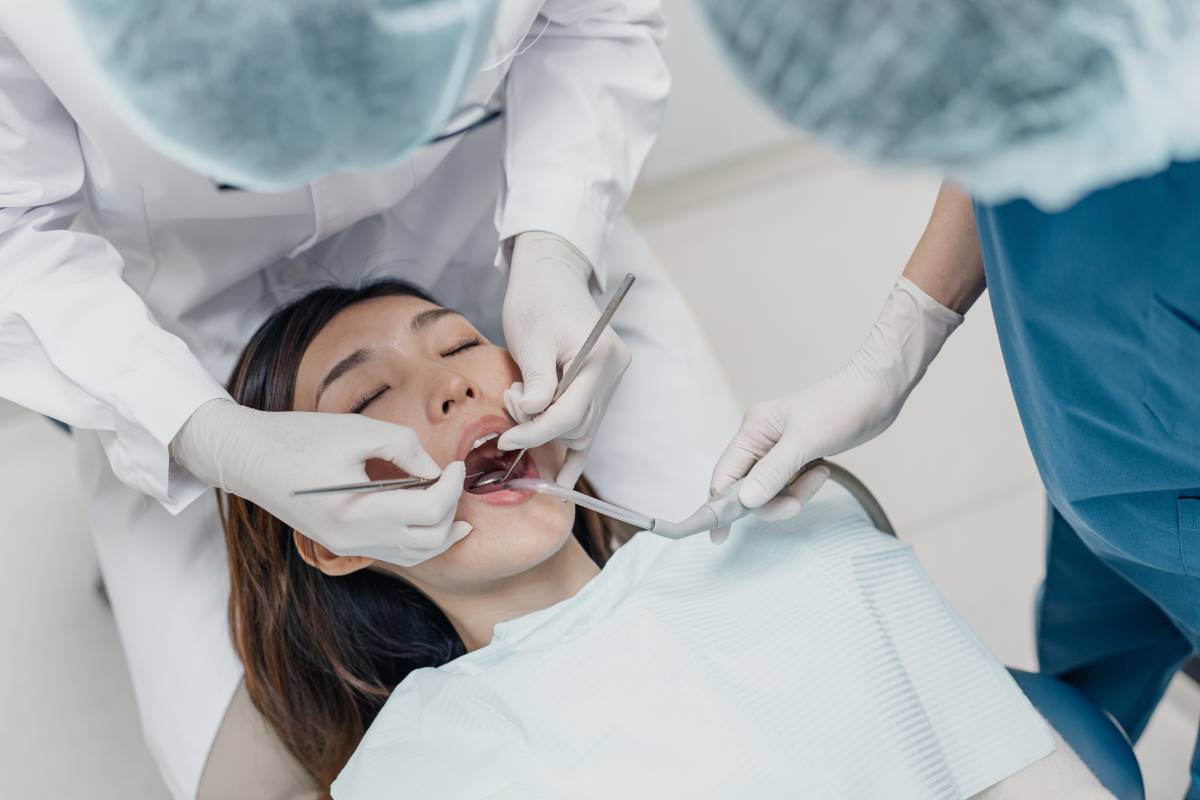
As with any root canal therapy, the GentleWave Ultracleaning procedure is performed under a local anesthetic, which is administered at the beginning of the procedure. Then your dentist or endodontist creates a small opening in the tooth to access the infected pulp.
To clean the canals, the GentleWave system delivers a continuous flow of cleaning solution activated by acoustic energy. Once the canals are thoroughly cleaned, they are sealed to prevent bacteria from re-entering, and the tooth is restored with a filling or crown, if needed.
What To Expect During Recovery After the GentleWave Ultracleaning Procedure
Recovery after the GentleWave Ultracleaning Procedure is typically smooth and more comfortable than recovery from traditional root canal therapy. Because the procedure is minimally invasive and preserves more of the natural tooth structure, many patients experience little to no downtime.
However, you might expect the following symptoms for several days after the procedure:
- Mild soreness, tenderness, or sensitivity of the treated area
- Mild tooth sensitivity to hot and cold temperatures
- Mild swelling of the gum tissue around the treated tooth
Who Is a Good Candidate for a GentleWave Ultracleaning Procedure
The GentleWave Ultracleaning procedure is suitable for the majority of patients and types of root canal issues. It can be especially beneficial in cases of complex root canal anatomy, persistent infections, or concerns about preserving natural tooth structure.
However, the procedure might not be suitable in cases of severe decay and structural damage, when the tooth is not likely to withstand even a minimally invasive procedure. Your dentist will evaluate the condition of your tooth to determine whether GentleWave Ultracleaning is right for you or whether you might require alternative treatment.
Is GentleWave Ultracleaning Precure More Expensive Than Traditional Root Canal?
The GentleWave Ultracleaning procedure is typically more expensive than traditional root canal therapy, as it uses advanced technology and provides superior comfort and benefits. You may expect to pay 15-25% more for this type of procedure. We recommend inquiring whether your insurance policy covers the procedure in advance, as it may be considered an advanced option, potentially leading to higher out-of-pocket costs.
Get Root Canal Therapy at Maz Endodontics
At Maz Endodontics, we strive to provide advanced care using the latest dental technology. If you are experiencing tooth pain, sensitivity, or signs of infection, do not hesitate to make an appointment with a reliable dentist at our office. We will carefully examine your case to determine whether the GentleWave Ultracleaning Procedure is proper for you.